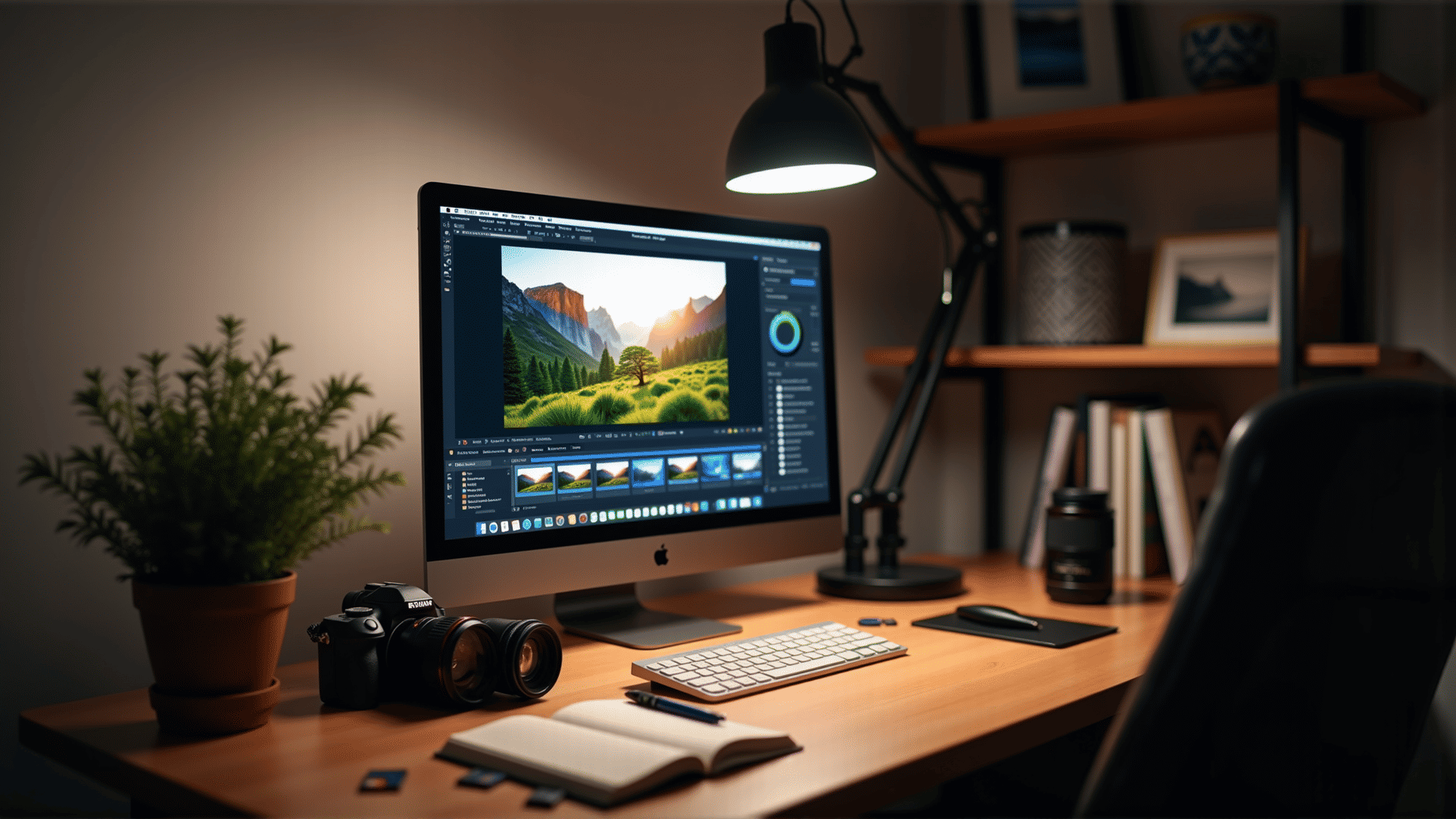
Starting your journey into the world of digital photo editing can be both exciting and a bit overwhelming. However, with the right tools and tips, you can begin to enhance your images and bring your creative vision to life. Whether you're looking to perfect a landscape shot or fine-tune a portrait, understanding some basic concepts and techniques is key.
Understanding Your Tools
To get started, familiarize yourself with the digital photo editing software that best suits your needs. Many options exist, each offering unique features to help you refine your work. Focus on mastering the basics first, such as exposure, contrast, and color balance. These foundational elements can significantly impact the overall quality of your images.
Essential Tips for Beginners
-
Organize Your Workspace Keeping your digital workspace tidy can maximize productivity. Create folders for your projects, and name your files in a way that makes them easy to locate later. This way, you can spend more time editing and less time searching for files.
-
Learn to Crop Effectively Sometimes, the simple act of cropping can transform an image completely. Use cropping to remove unnecessary elements, improve composition, or bring focus to your subject. Practicing this skill will enhance your ability to see an image's true potential.
-
Experiment with Layers Layers offer a non-destructive editing approach, allowing you to experiment without altering the original image. Use layers to adjust colors, exposure, and more, while maintaining flexibility for future edits. This technique helps you evolve your works continuously.
-
Adjust Lighting and Colors Proper lighting is crucial in photography. In editing, you can fine-tune the light balance to highlight details that may have been lost in the original shot. Similarly, adjusting color tones can change the mood of an image or correct color discrepancies.
-
Sharpening Images Sometimes images can appear soft or blurry. Use sharpening tools to enhance details and give your photos a crisp final look. Be cautious, though, as over-sharpening can lead to unnatural results.
-
Practice the Art of Retouching Whether you're dealing with portraits or landscapes, retouching can make a significant difference. Learn to remove blemishes, correct imperfections, and polish overall appearance while maintaining a natural look.
-
Experiment with Different Styles Don't hesitate to try new techniques and artistic styles. Experimenting with different looks can unlock creativity you didn't realize you had. Over time, you'll develop a unique style that distinguishes your work.
Continuous Learning
Photo editing is an ever-evolving field. Stay updated with the latest trends, tools, and techniques. Online tutorials, workshops, or community forums can provide inspiration and knowledge to keep improving your skills.
By mastering these basics and continually practicing, you'll build a strong foundation that enables you to edit like a professional. Embark on this creative journey with patience and enthusiasm. Before you know it, your images will reflect your personal artistic touch.