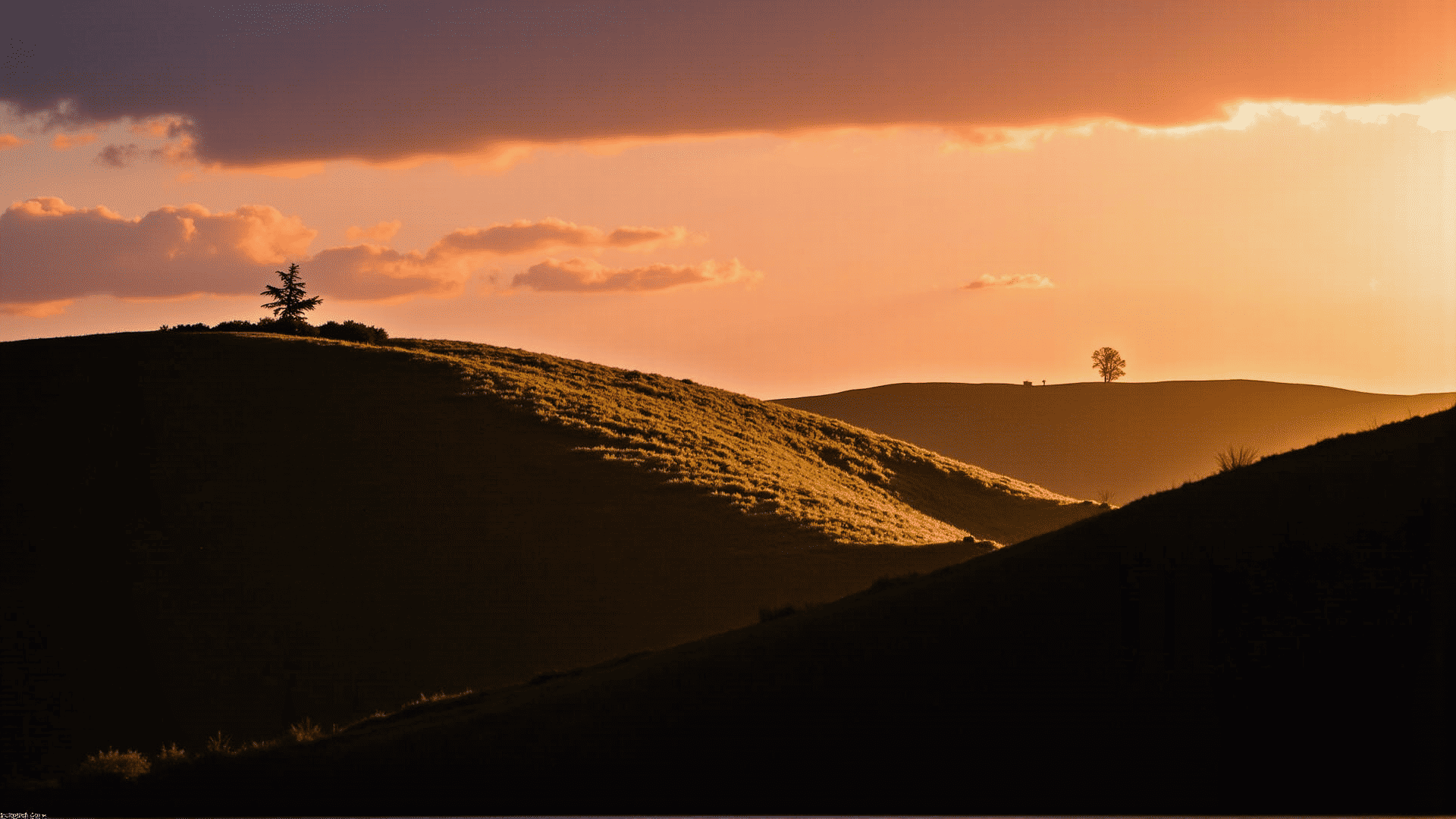
Understanding and harnessing light and shadow can significantly enhance your photography skills, creating images that captivate and inspire. Whether you're drawn to the serenity of nature or the intimacy of portraiture, mastering these elements can bring your photos to life, adding depth and drama.
Understanding Light
Light is the foundation of photography; it shapes your subject, guides the viewer's eye, and sets the mood of the image. Natural light can change dramatically depending on the time of day, weather, and season, offering diverse opportunities for creativity.
-
Golden Hour: This magical time shortly after sunrise or before sunset provides soft, warm light that is flattering and creates long, beautiful shadows. It's perfect for adding a touch of warmth and serenity to your shots.
-
Hard Light: Midday sun can cast harsh, direct light and strong shadows. While challenging, it can be used creatively to highlight textures and patterns, adding a bold and dramatic effect.
-
Soft Light: Overcast skies or shooting in the shade offers diffused light, reducing shadows and softening your images. This is ideal for creating a gentle and even illumination, particularly for portraits.
Manipulating Shadows
Shadows are as crucial as light in photography, providing contrast and depth, and aiding in storytelling.
-
Silhouette: By capturing your subject against a bright background, you can create a striking silhouette, emphasizing shape and form over detail.
-
Shadow Play: Use the shadows themselves as a compositional element. Patterns created by trees, buildings, or other objects can add an intriguing layer to your images.
-
Low Light and Shadows: Shooting during the blue hour, after the sun sets, allows you to capture the subtle interplay of fading light and emerging shadows, adding a moody and atmospheric quality to your photos.
Techniques for Mastery
-
Experiment with Angles: Changing your perspective can dramatically alter how light and shadow interact with your subject. Look for unusual angles that create interesting contrasts and highlight different aspects of your subject.
-
Use Reflectors and Diffusers: These tools can help you control the intensity of light and soften shadows. Reflectors bounce light onto your subject, filling in shadows, while diffusers soften harsh light.
-
Post-Processing: Subtle adjustments to highlights and shadows in post-production can enhance the mood of your image. Be mindful to maintain a natural look that reflects your artistic vision.
-
Study the Masters: Analyzing works by great photographers can provide insight into how they leverage light and shadow to create powerful imagery. Emulating their techniques can accelerate your learning process.
Conclusion
Mastering light and shadow is a journey that evolves with experience and experimentation. Each photograph is an opportunity to explore how these elements transform the ordinary into the extraordinary. By practicing and refining your skills, you can create images that not only capture moments but also evoke emotion and tell compelling stories. Whether you gravitate towards the raw beauty of nature or the nuanced expressions in portraits, let light and shadow be your guides in crafting unforgettable photography.