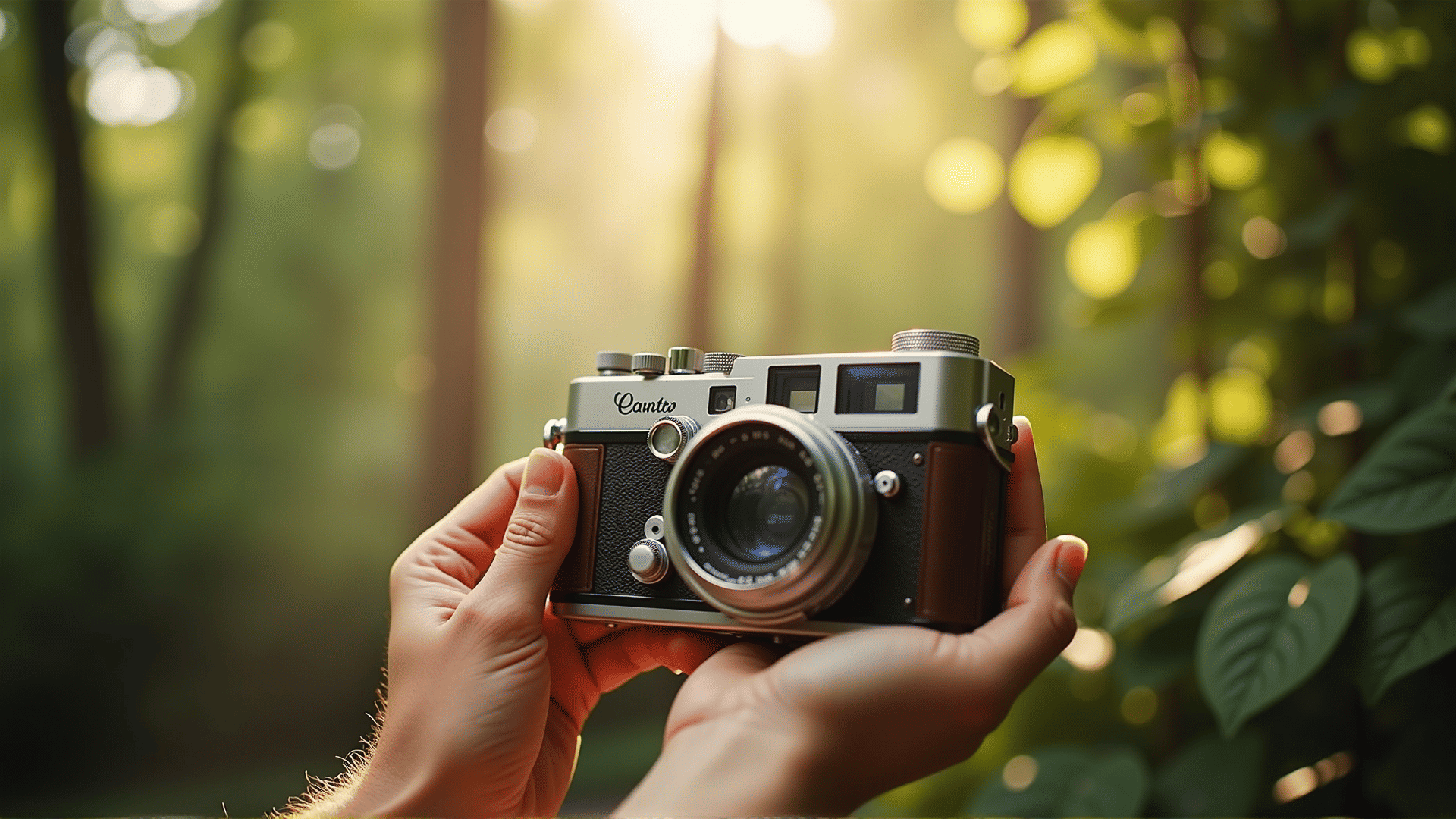
Understanding how to fully utilize your camera is an essential skill for any aspiring photographer. Mastering various camera techniques enables you to capture breathtaking images and immortalize moments in striking detail. Whether you're just starting out or seeking to refine your skills, these foundational techniques will set you on the path to photographic excellence.
Understanding Camera Settings
One of the first steps to mastering your camera is familiarizing yourself with its settings. Learn how to adjust the aperture, shutter speed, and ISO. The aperture controls the depth of field, allowing you to isolate subjects or bring everything into focus. Shutter speed determines how motion is captured—faster speeds freeze action, while slower speeds can create motion blur for artistic effects. ISO influences the camera's sensitivity to light, which is crucial in low-light conditions.
Mastering Composition
Composition is the art of arranging elements within the frame. Utilizing the rule of thirds, you can create balanced and visually appealing images. Divide your frame into three horizontal and vertical lines, and place key elements along these lines or at their intersections. This technique draws viewers' attention to pivotal areas of the photograph. Additionally, experimenting with leading lines, such as roads or pathways, can direct the viewer’s eye through the image.
Leveraging Natural Light
Lighting is a critical component of photography. Natural light, in particular, can dramatically alter the mood and quality of your images. The golden hour—shortly after sunrise or before sunset—offers soft, warm light that is ideal for capturing stunning outdoor shots. Additionally, understanding how to use shadows and highlights can add depth and texture to your photos.
Exploring Manual Focus
While automatic focus is convenient, manual focus offers precision and creative control that can enhance your photography. Experiment with manual focus to emphasize certain aspects of your scene or to achieve artistic effects, such as foreground blur and background sharpness. Practice using this feature to gain a greater understanding of depth and focal points.
Embracing the Histogram
The histogram is a valuable tool for assessing exposure. Displayed on your camera’s screen, it shows the tonal distribution of your image. Aim for a balanced histogram that avoids ‘clipping’, or loss of detail in highlights and shadows. By interpreting the histogram, you can adjust your camera settings to ensure a well-exposed photograph.
Experimenting with Different Perspectives
Changing your perspective can lead to more dynamic photographs. Instead of shooting from eye level, try different angles to add interest and depth to your images. Lie on the ground for a low-angle shot, or find an elevated position to capture a broad scene. This simple shift can transform an ordinary image into an extraordinary composition.
Utilizing Post-Processing
While capturing a great photo starts in-camera, post-processing allows you to enhance your images further. Software can be used to adjust exposure, contrast, color balance, and cropping, leading to the perfect final image. Though the essence of a great photograph begins with an excellent shot, post-processing helps in refining your work and correcting minor imperfections.
In conclusion, mastering camera techniques involves a combination of technical knowledge, creativity, and experimentation. By understanding your camera settings, mastering composition, leveraging natural light, exploring manual focus, interpreting histograms, experimenting with perspectives, and utilizing post-processing, you are equipped to elevate your photography skills. With practice and perseverance, these techniques will enable you to capture stunning images with precision and artistry.