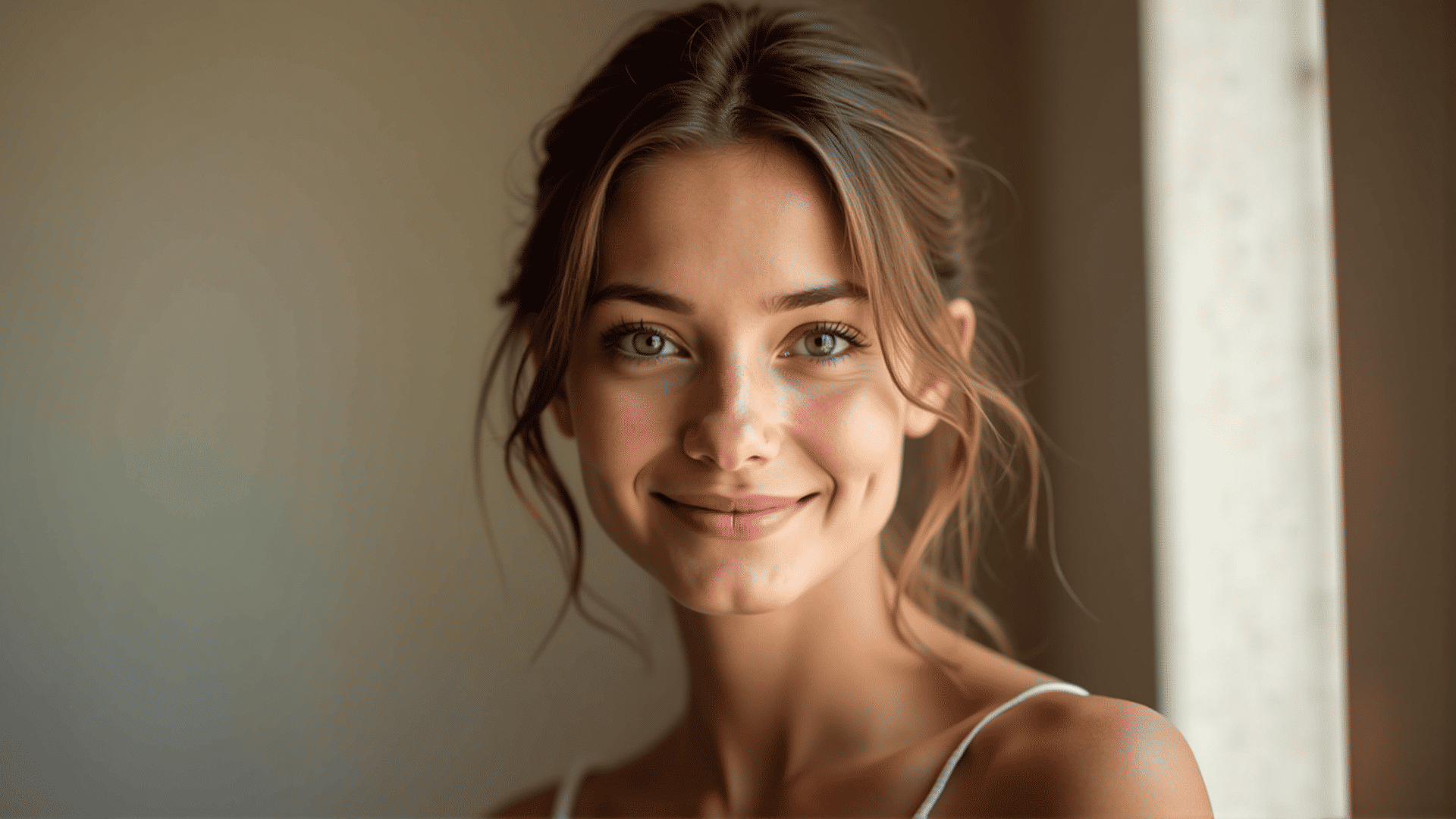
Portrait photography is an art that transcends mere image capturing; it is about revealing the essence and personality of the subject through a lens. This genre of photography offers a deeply personal view of individuals, making it a captivating field for both photographers and viewers alike. Let's delve into some techniques and insights that can help enhance the expression and storytelling of your portraits.
Understanding the Subject
Before even picking up your camera, it is essential to understand your subject. Engage in conversations, learn about their passions, fears, and preferences. This connection helps in creating a comfortable environment during the photoshoot, allowing the subject's true self to shine through. By fostering a candid interaction, you lay the groundwork for genuine expressions that make a portrait compelling.
Mastering Light and Shadow
Lighting is crucial in portrait photography, as it can dramatically alter the mood and tone of an image. Experiment with natural light for a softer and more organic feel, which can be ideal for highlighting facial features and skin textures. Alternatively, controlled studio lighting allows for more precise manipulation of shadows and highlights, adding depth and drama to portraits. Understanding how to use light creatively will help convey the desired emotion in your work.
Composition Techniques
The composition of a portrait can influence the viewer’s perception. The rule of thirds, leading lines, and framing are essential techniques for creating dynamic and visually appealing portraits. Placing the subject off-center can add interest and energy to the image, while tight framing can focus attention on the subject's facial expression or eyes. Experimentation with angles and perspectives can also result in powerful images that capture different facets of the subject's personality.
Capturing Expression
Expressions are the heartbeat of portrait photography. Whether it’s a subtle smile or a deep, contemplative gaze, capturing authentic expressions requires patience and timing. Encouraging movement and interaction instead of static poses can lead to spontaneous moments that truly reflect the subject's character. Additionally, shooting in burst mode can help capture fleeting moments that might otherwise be missed.
Post-Processing Essentials
While capturing the right moment is crucial, post-processing can enhance the final outcome. Adjusting exposure, contrast, and color balance can help refine the portrait and emphasize certain features. However, it is important to maintain a balance; over-editing can detract from the authenticity of the image. Aim for adjustments that enhance the natural beauty of the subject while preserving the emotional impact of the photograph.
Continual Learning and Inspiration
Portrait photography is a constantly evolving field, with new techniques and trends emerging regularly. Stay inspired by following the work of renowned photographers, attending exhibitions, and participating in workshops. Engaging with a community of fellow photographers can provide invaluable feedback and new perspectives, enabling you to grow continually in your craft.
In conclusion, the essence of portrait photography lies in its ability to capture the soul and individuality of a subject. Through thoughtful engagement, mastery of lighting, creative composition, and sensitive post-processing, photographers can create portraits that resonate on a deeply personal level. Embrace the journey of exploration and experimentation, and let your passion guide you in creating portraits that tell compelling stories.